2026-09-16 ·
How to Check Attics for Mold in Gettysburg During Humid Summers
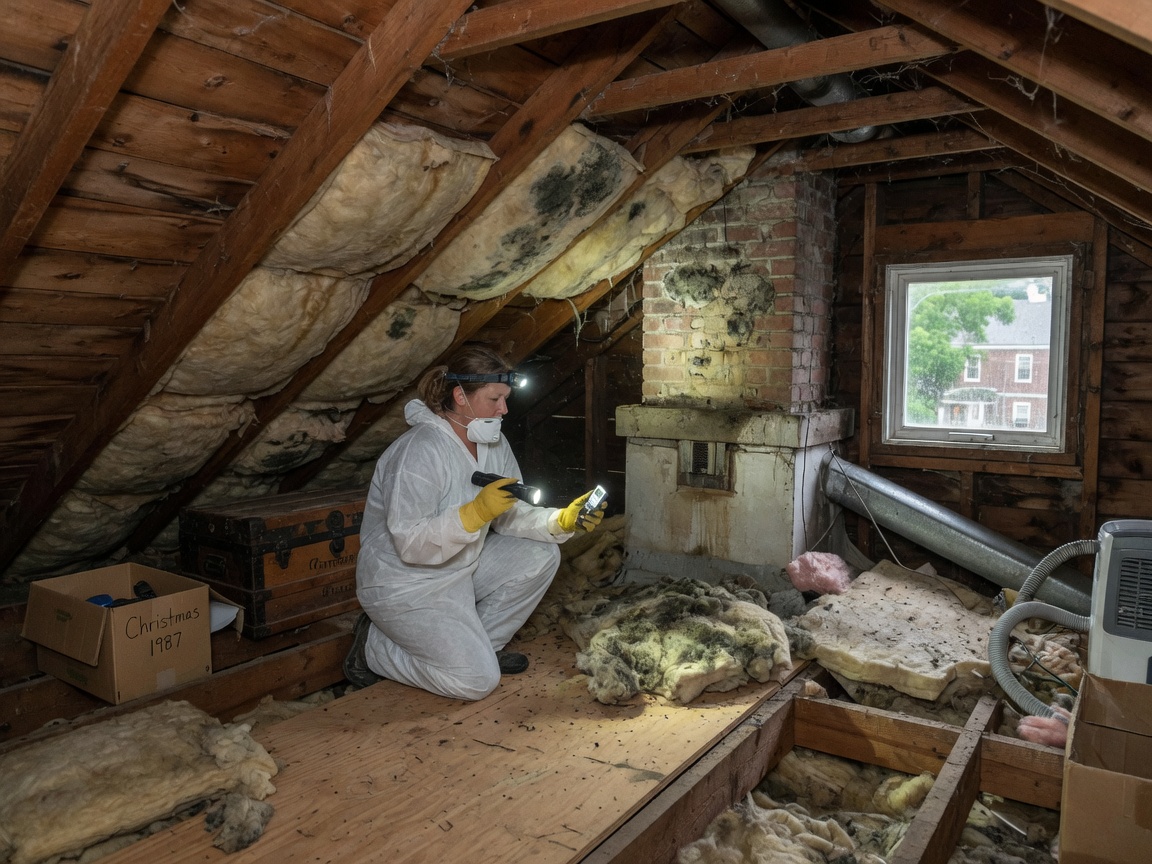
Start by entering the attic on a warm afternoon when outdoor humidity exceeds 70 percent and use a bright flashlight to scan all visible surfaces for black or green patches along the roof deck and insulation edges in homes throughout Historic Gettysburg.
Preparing Your Attic Inspection
Gather a moisture meter, headlamp, and dust mask before climbing into the attic during peak summer heat when temperatures often reach the mid-80s in Adams County. Turn off HVAC systems temporarily to avoid circulating spores and wear old clothing because fiberglass insulation sheds easily in older Gettysburg College area homes built before 1950. Clear a safe path by moving stored items aside so you can reach every corner without stepping through ceiling joists. Check the date on existing insulation to note whether it has been in place longer than 15 years, as compressed material holds moisture longer during humid periods. Document findings with dated photos from multiple angles to track changes over subsequent weeks. This preparation prevents missed spots in tight spaces common to Barlow Knoll farmhouses where rooflines slope steeply and limit headroom.
Spotting Visible Mold and Water Stains
Scan rafters and sheathing for dark streaks or fuzzy growth that appears after several days of rain followed by high humidity, conditions frequent in Gettysburg summers. Pay special attention to areas around roof penetrations such as plumbing vents and chimneys where condensation forms overnight on cooler surfaces. In Historic Gettysburg properties with original cedar shake roofs, look for brown discoloration on wood that signals repeated wetting from poor flashing. Measure any affected insulation sections in square feet so you can estimate scope accurately before deciding on removal. Note musty smells that intensify when you disturb material, as these often indicate hidden growth behind batts. Compare findings against photos taken in drier spring months to confirm new development tied to summer moisture. These observations help distinguish surface mold from deeper structural issues that require targeted attention.
Measuring Moisture and Airflow Issues
Use a moisture meter on wood members aiming for readings below 15 percent, since levels above that threshold support mold in the warm conditions of Adams County summers. Place a digital hygrometer in the attic for 24 hours to record relative humidity spikes above 60 percent during afternoon peaks. Examine soffit and ridge vents for blockages from debris or insulation that reduce airflow in older homes around Gettysburg College. In Barlow Knoll residences with limited tree cover, intense sun can drive heat buildup that draws humid air inward through small gaps. Test exhaust fans if present by holding a tissue strip near the grille to verify outward flow. Record all measurements alongside outdoor weather data from the same day so patterns become clear over multiple checks. Consistent high readings point to ventilation shortfalls that worsen each humid season.
Addressing Findings and Professional Help
If moisture exceeds safe levels or visible growth covers more than a few square feet, stop further disturbance to avoid spreading spores into living spaces below. Seal the attic access temporarily with plastic sheeting and tape while planning next actions. Homeowners in Gettysburg often connect summer attic issues to earlier basement moisture problems that travel upward through wall cavities. Review the article on local soil and drainage issues that lead to crawl space mold for related moisture pathways common in Adams County. Schedule professional mold testing to identify species and extent when DIY checks reveal widespread concerns. For confirmed attic growth, consider attic mold remediation services that address both removal and source correction without disrupting historic structures. Track all steps with notes so any contractor receives complete information on conditions observed during humid months.
Seasonal Prevention After Inspection
Improve attic ventilation by adding or clearing existing vents before fall arrives, drawing from guidance in ventilation tips for preventing winter condensation mold in Gettysburg that also applies to summer humidity control. Keep gutters clear of leaves year-round to reduce roof leaks that feed attic moisture during warm rains. In Gettysburg College area homes, consider adding baffles to maintain airflow channels if insulation has shifted over time. Monitor humidity with a whole-house dehumidifier set to 50 percent during July and August when outdoor levels climb. Reinspect attics every six weeks through the humid season to catch new growth early. These habits reduce recurrence in the rolling terrain of Adams County where temperature swings between day and night accelerate condensation cycles inside roof spaces.