Prevention · May 20, 2026
Preventing Mold in Historic Pennsylvania Homes
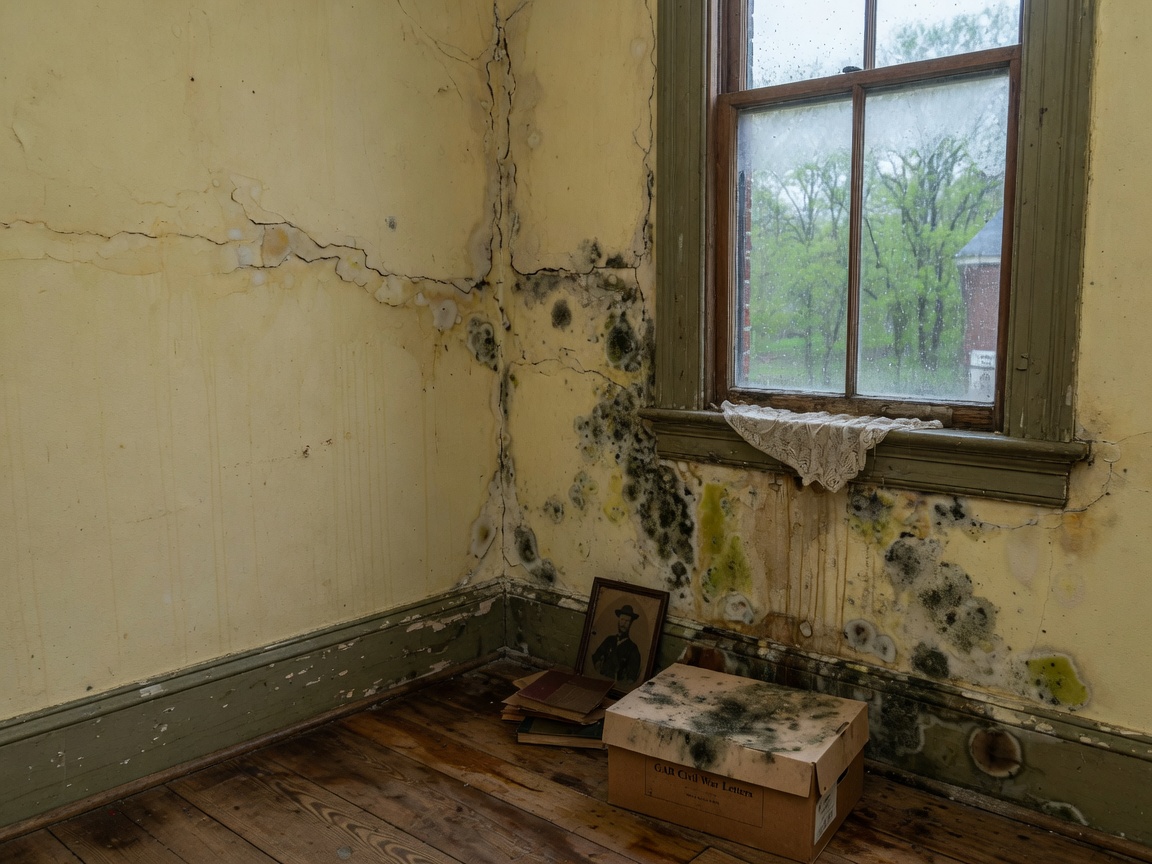
An 1800s house in the borough survived this climate without a plastic vapor barrier. It gets into trouble when we add showers, air conditioning, insulation against wet stone, and downspouts that dump two feet from a limestone wall. Prevention is a list of small building habits, not a coating.
Let the stone dry, or stop wetting it
Stone and lime mortar move moisture. If you cover the inside with closed-cell foam or vinyl paint because a salesman called it waterproof, you may trap water that used to evaporate into a drafty cellar. Sometimes a coating is right. Often the right move is to keep paper and fabric off the wall, manage liquid water outside, and dehumidify the air.
Outside, the wins are boring: downspouts that discharge several feet away, soil that slopes away, window wells that are not aquariums, and gutters cleaned before November. On a narrow lot those fixes take creativity. They are still cheaper than joist replacement.
Humidity, winter and summer
Summer target: basement or crawl under 60 percent relative humidity, nearer 50 if you have already had growth. A dehumidifier with a hose beats one you have to remember to empty. Winter target: the opposite problem. Humidifiers, cooking, and showers load a tight plaster house, and moisture condenses on cold walls and windows. If the stools are wet every morning, you are feeding the next sill mold.
Bath fans should end outdoors, not in the attic, and they should run long enough to clear the mirror, not just the length of the shower. Kitchen fans that actually exhaust are part of mold prevention even though nobody markets them that way.
What not to store, and what not to finish
Cardboard on a cellar floor is mold food sitting in the dampest air in the house. Use plastic bins on shelves, off the wall. Do not finish a root cellar into a bedroom because the square footage looks good on a listing. If you do finish a basement, deal with water first and use materials that can survive a bad week.
Walk the attic each spring and the basement after the first hard rain of the season. Ten minutes with a flashlight catches what a quarterly spray contract never will.
Keep these
- Do not seal a wet historic wall just to hide it.
- Downspouts and grade are the first prevention tools.
- Different humidity targets in January and July.
- Keep cardboard and bedrooms out of damp cellars.